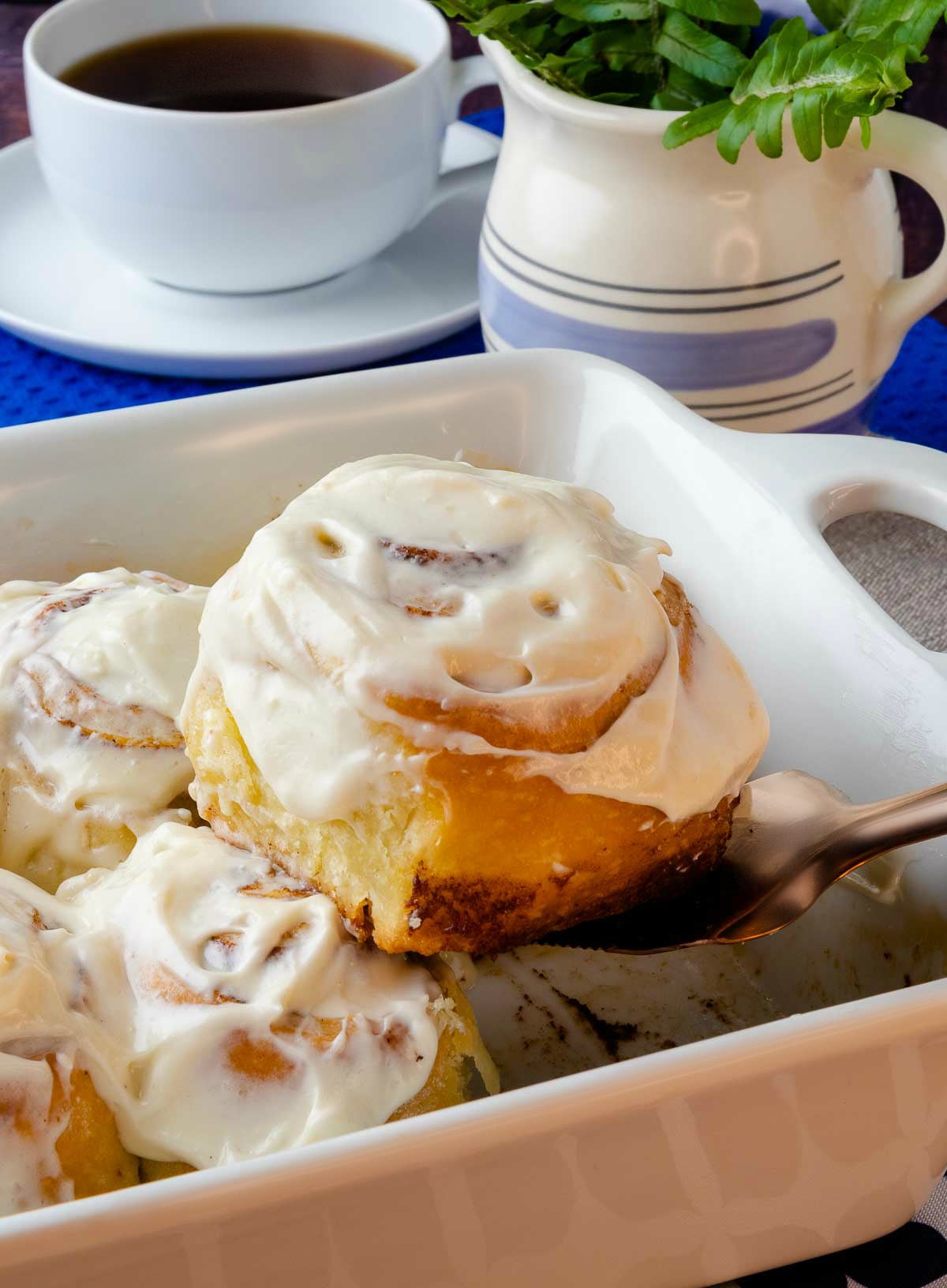
Unlock the Secret to Effortless Easy Cinnamon Rolls
Are you one of the many home bakers who dream of warm, gooey, homemade cinnamon rolls but shy away from the daunting thought of working with yeast? Perhaps the idea of multiple rises and hours of waiting has kept you from experiencing that freshly baked bliss? We hear you, and we're here to tell you that the era of complicated baking ends now! Get ready to discover the magic of truly easy cinnamon rolls – a recipe so straightforward, it's perfect for yeast beginners, delivering bakery-quality results right in your own kitchen.
Forget the store-bought cans; the satisfaction of pulling a pan of fragrant, golden-brown cinnamon rolls from your oven is unmatched. This approach to homemade cinnamon rolls prioritizes simplicity without sacrificing an ounce of flavor or that irresistible, melt-in-your-mouth texture. We're talking extra soft dough, a luscious cinnamon swirl, and a tender crumb that makes every bite a dream. Best of all, many of these genius recipes require only one rise, making them a game-changer for busy mornings, holiday feasts, or whenever that sweet craving strikes.
The Genius Behind "One Rise" & "No-Knead" Cinnamon Rolls
Traditional cinnamon roll recipes often call for significant time commitments, involving two or even three separate rises for the dough. While these methods undoubtedly yield incredible results, they can be a barrier for new bakers or those short on time. This is where the innovation of "one rise" and "no-knead" recipes truly shines, making easy cinnamon rolls accessible to everyone.
Streamlining the Process with a Single Rise
The "one rise" method is a revelation. Instead of waiting for hours for an initial rise, then shaping the rolls and waiting again for a second proof, these recipes condense the process dramatically. Typically, after mixing and shaping, the rolls undergo a single, shorter rise—often just 60-90 minutes—before heading into the oven. The secret lies in a carefully balanced dough that achieves optimal fluffiness and tenderness in less time, without compromising on that classic cinnamon roll taste and texture. This approach is a fantastic entry point for anyone curious about learning how to bake with yeast, proving that it doesn't have to be a daunting endeavor.
Exploring No-Knead Options
For those who wish to minimize hands-on time even further, some innovative recipes offer a "no-knead" approach to easy cinnamon rolls. Inspired by popular no-knead bread techniques, these recipes rely on a wetter dough and a longer, slow rise (often overnight in the fridge) to develop gluten structure, bypassing the need for extensive kneading. While no-knead yeast rolls are undeniably quick and tasty, it's worth noting that the "fluffiness factor" (a truly crucial metric for cinnamon rolls!) is often unparalleled when compared to a dough that has been properly kneaded, or at least mixed thoroughly, even if it's just for one rise. However, for sheer convenience, a no-knead method can be a wonderful alternative, offering wonderfully big, ultra-soft rolls with gooey centers.
Crafting Your Perfect Easy Cinnamon Roll Dough
The foundation of any great cinnamon roll is its dough. For truly easy cinnamon rolls, a rich, tender dough is key. Let's break down the essential ingredients and a few crucial tips for success:
Key Ingredients for a Rich & Soft Dough
- Flour: All-purpose flour is typically best, providing the necessary structure without making the rolls too dense. For a chewier texture, you could experiment with bread flour, but stick to all-purpose for classic softness.
- Sugar: Granulated white sugar isn't just for sweetness; it also feeds the yeast, helping it activate and create that beautiful rise.
- Salt: Essential for balancing flavors and enhancing the overall taste.
- Yeast: This is where the magic happens! Using a strong and dependable active dry or instant yeast is crucial for a successful single rise.
- Milk: Whole milk is ideal for the richest, most luxurious flavor and texture. Buttermilk also works beautifully, and many bakers have had success substituting non-dairy milks. Avoid nonfat milk, as the fat content contributes significantly to the dough's softness and richness.
- Butter: This is a "rich dough," meaning it includes fats like butter to guarantee an incredibly soft and tender crumb. Melted butter is incorporated into the dough.
- Egg: Like butter, an egg contributes to a softer, richer dough, adding moisture and aiding in structure.
Dough Preparation & Yeast Activation Tips
One of the most impactful tips for achieving exceptionally soft and fluffy rolls comes down to yeast activation. Instead of simply whisking yeast into the dry ingredients, try this:
- Warm Your Liquids: Gently warm the milk and melted butter mixture. It should be warm to the touch (around 105-115°F or 40-46°C), but not hot, as too much heat will kill the yeast.
- Dissolve the Yeast: Add your yeast directly to this warm liquid mixture and let it sit for 5-10 minutes until it becomes foamy. This confirms your yeast is active and ready to work its magic. This small change ensures the yeast is fully hydrated and activated, leading to a more vigorous rise and ultimately, a softer, fluffier final product.
- Combine & Mix: In a large bowl, whisk together your dry ingredients (flour, sugar, salt). Then, pour in the activated yeast mixture and the egg, mixing until a cohesive dough forms. Depending on the recipe, you might knead it for a few minutes until smooth and elastic, or simply mix until just combined for a no-knead variation.
For more detailed insights into working with yeast and achieving the perfect dough consistency, you might find easy cinnamon rolls - Article 1 particularly helpful.
The Irresistible Filling, Expert Rolling, and Decadent Icing
Once your dough is prepared, the fun truly begins: creating that signature cinnamon swirl and topping your warm rolls with luscious icing.
Crafting the Perfect Swirl
The filling is simple yet crucial: a generous blend of softened butter, brown sugar, and plenty of ground cinnamon. Some recipes also include a touch of vanilla or a pinch of salt to enhance the flavors. After rolling out your dough into a large rectangle, spread the softened butter evenly across the surface, leaving a small border. Then, sprinkle the cinnamon-sugar mixture generously over the butter. The key to a beautiful, tight swirl is to roll the dough up tightly from one long side, forming a log. For clean, even cuts, use unflavored dental floss to slice the log into individual rolls – simply slide it under the log, cross the ends over the top, and pull to cut through the dough without squishing it.
The Grand Finale: Icing Choices
What's an easy cinnamon roll without its glorious topping? You have a few delightful options:
- Classic Cream Cheese Frosting: The undisputed champion! A simple blend of softened cream cheese, butter, powdered sugar, vanilla extract, and a splash of milk or heavy cream creates a tangy, sweet, and utterly irresistible topping that melts into the warm rolls.
- Simple Glaze: For a quicker option, a basic powdered sugar glaze (powdered sugar, milk, vanilla) provides a sweet finish.
- Vanilla Bean Glaze: Elevate a simple glaze with a hint of vanilla bean paste for an extra aromatic touch.
Drizzle or slather your chosen icing over the warm rolls immediately after they come out of the oven. The warmth helps the icing melt slightly, seeping into every nook and cranny for that ultimate gooey experience.
Make-Ahead & Freezing Tips for Ultimate Convenience
One of the most loved aspects of these easy cinnamon rolls is how beautifully they freeze, making them an excellent make-ahead option for holidays, special breakfasts, or simply having a delicious treat on standby. This convenience factor ensures that even if you have a busy week, you can still enjoy homemade goodness.
- Freezing Unbaked Rolls: Shape your rolls and place them in your baking dish. Cover tightly with plastic wrap and then aluminum foil. Freeze for up to 1 month. When ready to bake, transfer them to the refrigerator overnight to thaw and rise slowly, or let them rise at room temperature for 2-3 hours before baking as directed.
- Freezing Baked Rolls: Allow the baked and cooled cinnamon rolls to cool completely (un-iced). Wrap individual rolls or the entire pan tightly in plastic wrap and then foil. Freeze for up to 3 months. To reheat, thaw overnight in the refrigerator (if frozen in a pan), then warm in a low oven (around 300°F/150°C) until heated through. For individual rolls, microwave briefly until warm. Add icing just before serving.
These make-ahead options mean you can enjoy that fresh-from-the-oven taste without all the morning rush, making them ideal for holiday mornings or unexpected guests. For more innovative ways to manage your baking schedule, check out easy cinnamon rolls - Article 2.
Your Journey to Easy Cinnamon Roll Perfection Starts Now
Gone are the days when baking homemade cinnamon rolls felt like an insurmountable challenge. With the advent of simplified "one rise" and "no-knead" recipes, truly easy cinnamon rolls are within every home baker's reach. From the rich, soft dough to the perfect cinnamon swirl and a choice of decadent icings, the satisfaction of creating these homestyle delights is immense.
So, take a deep breath, trust the process, and embrace the joy of baking with yeast. Whether you're planning a festive breakfast or simply craving a comforting treat, these easy cinnamon rolls promise an unparalleled experience of flavor, texture, and pure baking satisfaction. What are you waiting for? Your kitchen is about to become the most delicious place in the house!
